Crawl Space Vents in Oklahoma: Should They Be Open or Closed?

The Old Rule
For decades the advice was simple: open crawl space vents in summer to let moisture out, close them in winter to keep pipes from freezing. Building codes still require vents in crawl spaces that are not sealed, typically about 1 square foot of vent area for every 150 square feet of crawl space, or less when the soil is covered with a vapor retarder.
Why It Backfires in Oklahoma Summers
Ventilation only dries a space when the outside air is drier than the inside air. In Tulsa from late spring through September, outdoor dew points regularly reach the upper 60s and 70s. When that air enters a crawl space that is a few degrees cooler, especially near air-conditioned ductwork and the floor above, its relative humidity rises and moisture condenses on surfaces. Open vents end up adding water instead of removing it.
Signs Your Vents Are Hurting
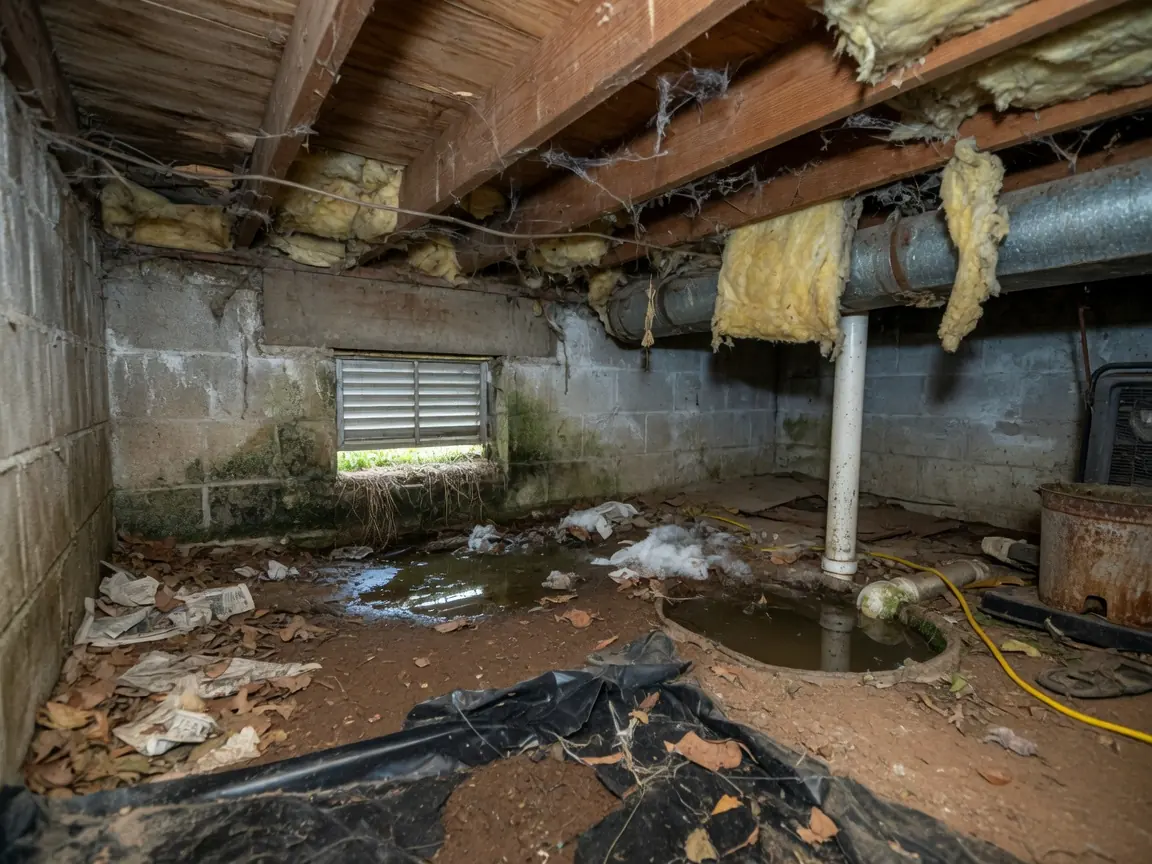
- Ducts or cold water pipes drip in summer
- Insulation sags or feels damp
- Musty smell inside on humid days
- Mold on joists near vents
- Rust on nails and duct straps
- Hygrometer readings above 60 to 70 percent
When to Close the Vents
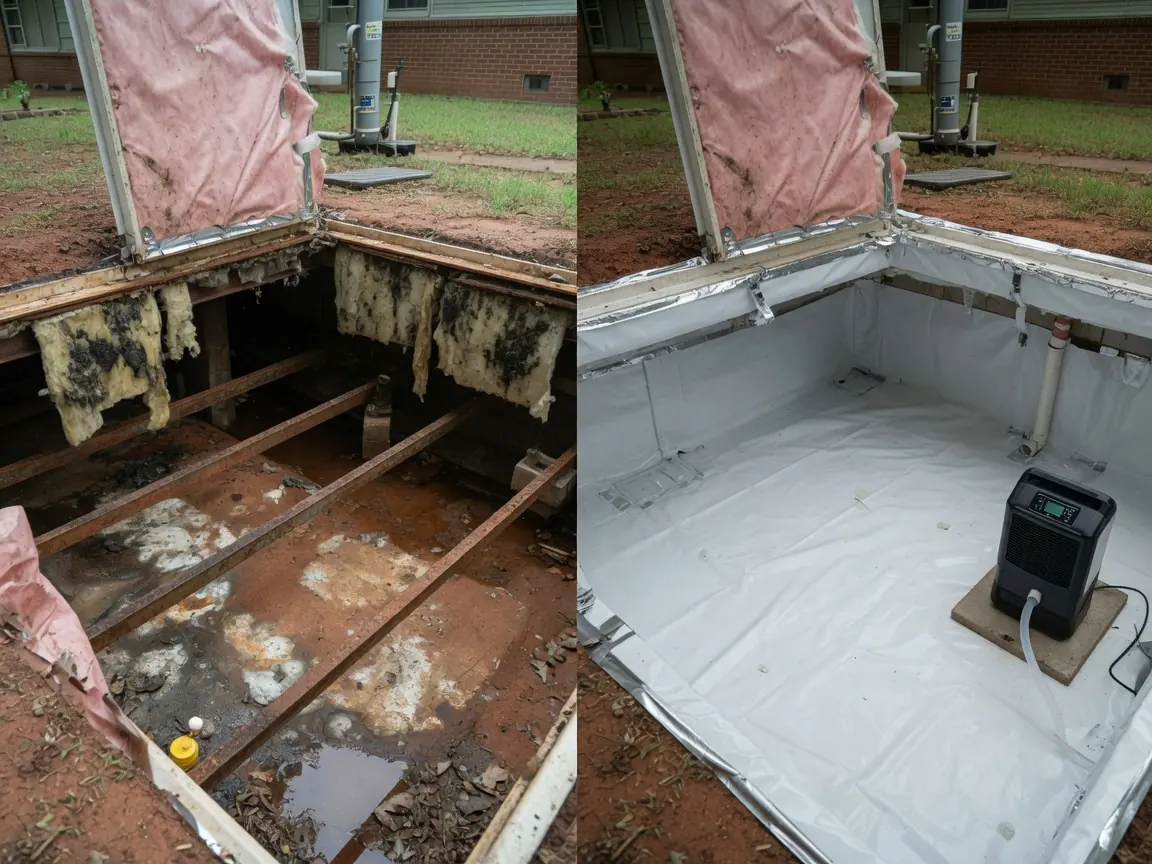
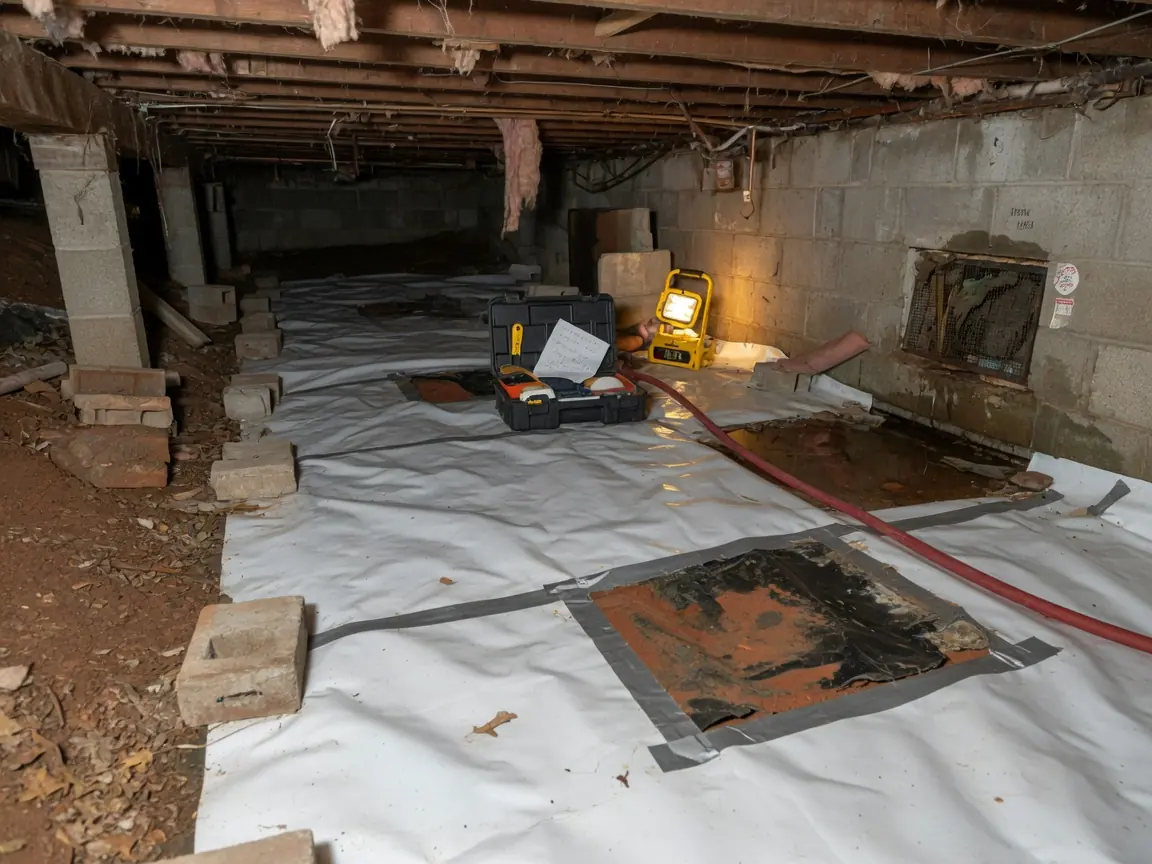
Closing vents works when the crawl space is properly sealed and dried. The residential code allows an unvented crawl space when the soil is covered with a sealed vapor retarder that runs up the walls, and the space has a method of moisture control: a dehumidifier, a small amount of conditioned supply air, or continuous exhaust. That is what crawl space encapsulation provides. Closing vents without the liner and humidity control can make things worse.
When Leaving Them Open Is Fine
If your crawl space has a good ground cover, stays below 60 percent humidity in summer, and shows no condensation or mold, leaving vents open may be fine. In winter, closing them during hard freezes protects pipes. Check with a hygrometer before deciding.
Watch for Gas Appliances
If a gas furnace or water heater in the crawl space draws combustion air from the space, sealing vents can affect its operation. A contractor should plan for outside combustion air before closing vents. See our vapor barrier page for the first step.
Want a free quote?
Call (918) 992-4720 or use the form for a free inspection and written quote.